
Reshoring That Cuts Lead Times and Tariff Risk
Move production closer to home, to the U.S. or nearshore hubs like Mexico, without losing quality or blowing up your cost. We assess the real numbers, find the partners, and manage the transition.
Tariff-aware landed cost modeling before you move a single order.
Get Your Quote
Tell us what you need and get 3 real quotes.
Why Brands Are Reshoring Now
Tariffs, long transit times, and supply shocks have made offshore-only sourcing riskier than it used to be. Reshoring and nearshoring bring production closer to your market, shortening lead times and reducing exposure to sudden policy changes.
But reshoring only works if the numbers work. We model true landed cost across regions, identify vetted nearshore and onshore manufacturers, and manage the move so quality and output hold steady through the transition.
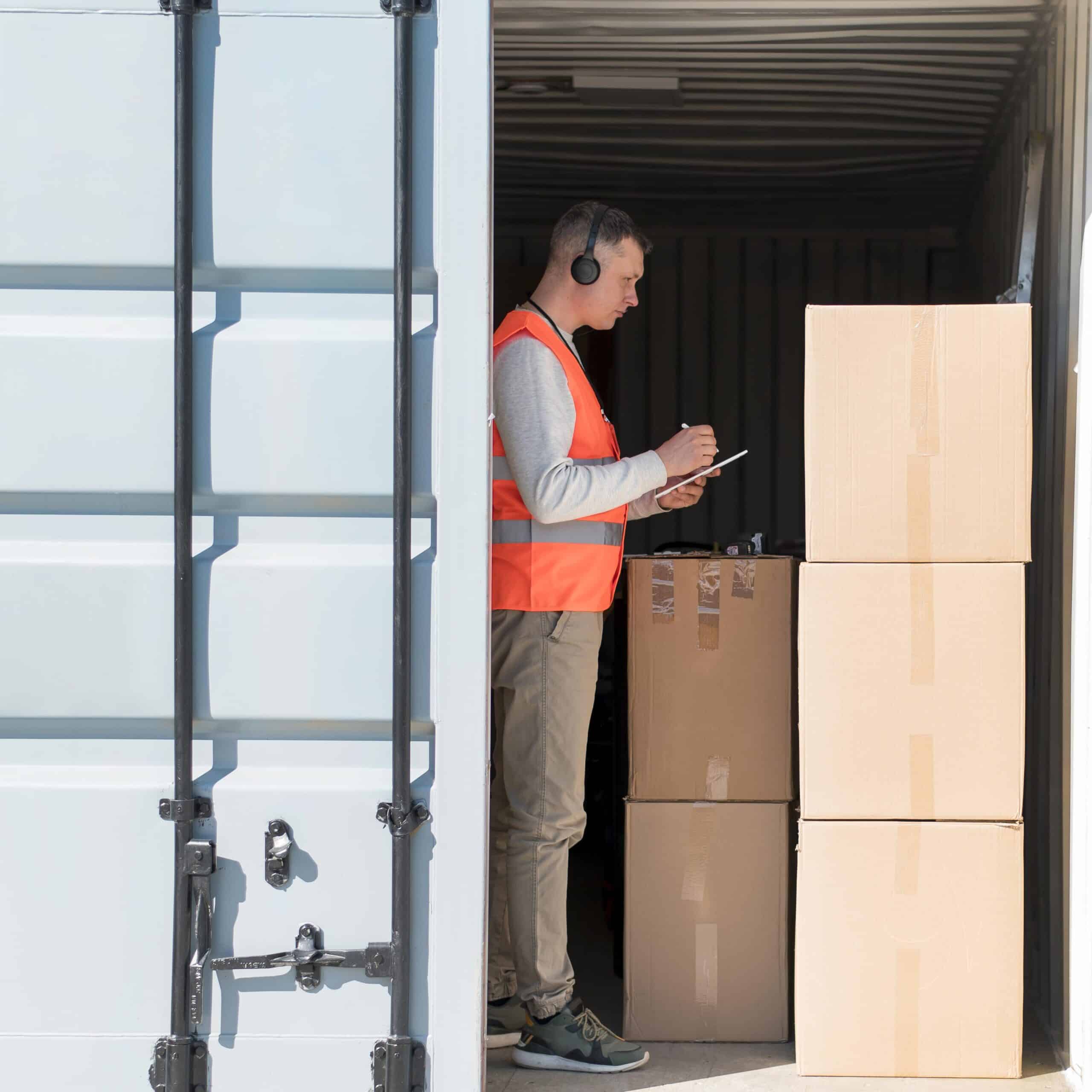
What Reshoring Gets You
Closer, faster, and more resilient, when it's planned around real landed cost instead of a headline.
Shorter lead times
Production closer to your market means faster response to demand and less cash tied up in in-transit inventory.
Lower tariff exposure
Nearshore and onshore production can reduce duty exposure and insulate you from sudden tariff changes.
More control
Closer factories are easier to visit, audit, and manage, so quality issues get caught and fixed faster.
A more resilient supply chain
Diversifying beyond a single offshore region reduces the risk of a disruption stopping your business cold.
Ready to get started?
Get matched with vetted factories and a transparent, tariff-aware cost plan.
Talk to a Sourcing ExpertHow We Help You Reshore
From the business case to a stable, scaled operation closer to home.
Cost & Tariff Analysis
Compare true landed cost across regions before you move, so the decision is grounded in numbers, not assumptions.
- Region-by-region landed cost
- Tariff and duty exposure
- Break-even and ROI modeling
Partner Identification
Find and vet nearshore and onshore manufacturers that can actually meet your quality and capacity needs.
- Nearshore (Mexico) and onshore (USA) options
- Capability and capacity audits
- Certification and compliance checks
Transition Management
Move production without dropping the ball, from tooling transfer to validated first runs.
- Tooling and process transfer
- Sample and first-article validation
- Ramp-up and QA oversight
Our Reshoring Process
A managed move that keeps quality and output steady from day one.
Assess the case
Model landed cost, lead time, and risk across your current and target regions.
Identify partners
Shortlist and audit vetted nearshore or onshore manufacturers.
Transition production
Manage tooling, samples, and validation so nothing gets lost in the move.
Stabilize & scale
Keep quality and output steady through ramp-up, then scale with confidence.
Industries We Reshore
Plastics
Nearshore molding in Mexico cuts lead times and tariff exposure for consumer and industrial goods.
Metals
USMCA advantages and onshore machining reduce risk for precision and industrial parts.
Electronics
Nearshore assembly shortens the supply chain for consumer electronics and accessories.
Textiles & Apparel
Onshore and nearshore runs support speed, IP protection, and niche production.
Case Studies
Real results from founder-led brands we've helped source, scale, and ship.
Global Sourcing Locations
We connect businesses to vetted manufacturers in the world's most important supply-chain hubs. Each region has unique strengths, and we help you navigate them.


Frequently Asked Questions
Pick an Open Slot Below
Book a free 30-minute call with our sourcing team, no commitment required. We'll review your product, map a tariff-aware landed cost, and show you which vetted factories fit your specs and budget.