How to Negotiate the Best Payment Terms with Supplier

Learning how to negotiate payment terms with suppliers is one of the highest-leverage skills in any importing business, because the terms you agree to directly shape your cash flow, your working capital, and your ability to grow without constant financial pressure. Favorable payment terms let you use or even sell a product before the invoice comes due, capture early-payment discounts, and keep operating without the strain of immediate payouts. Get them right and you free up cash. Get them wrong and you finance your supplier's business instead of your own.
This guide breaks down exactly how to negotiate payment terms with suppliers step by step: understanding common terms like Net 30 and Net 90, preparing before you sit down, communicating clearly, using order volume as leverage, timing the conversation, weighing long-term partnerships against short-term wins, and covering the legal details that make an agreement enforceable. It is written for brand owners and sourcing teams who want better terms without damaging the supplier relationships they depend on.
What Supplier Payment Terms Actually Are
Payment terms are an essential part of every commercial agreement and act as the backbone of the transactional relationship between a business and its suppliers. They define when money changes hands, and that timing has an outsized effect on your finances. The most common terms are expressed as "Net" periods that count the days a buyer has to pay an invoice in full once goods are delivered.
- Net 30 — payment due 30 days after delivery. A good fit for industries where inventory turns over quickly and cash flow is less constrained.
- Net 60 — payment due 60 days after delivery, giving you more room to use or sell the product before paying.
- Net 90 — payment due 90 days after delivery, the most flexible common term and the hardest to win from a new supplier.
Longer terms such as Net 60 or Net 90 give your business the flexibility to put the product to work — selling it or using it in operations — before payment is due. Shorter terms like Net 30 can still be the right call when inventory moves fast. Understanding and strategically negotiating these terms aligns your payment schedule with your real cash-flow needs, which is the difference between scaling smoothly and scrambling to cover invoices. These payment terms sit alongside the broader import and export shipping terms that govern who pays for what and when.
How to Negotiate Payment Terms With Suppliers Step by Step
Knowing how to negotiate payment terms with suppliers is less about hard bargaining and more about preparation, leverage, and timing applied in the right order. The strategies below build on one another — do the groundwork first and the conversation itself becomes far easier.
Step 1: Prepare Before You Negotiate
Before entering any negotiation as significant as setting payment terms, thorough preparation is key, and it comes down to two things: researching your supplier and understanding your own position.
Start by digging into the supplier's business practices. Look at their financial health, their reliability, and how much negotiation flexibility they typically offer. A supplier under cash pressure will weigh longer terms very differently from one sitting on healthy reserves. This is also where proper supplier vetting pays off, because the same research that confirms a factory is legitimate also tells you how it negotiates.
Then evaluate your own company's needs and bargaining strengths: your cash-flow requirements, your order-volume potential, and the unique aspects of your business that make you an attractive customer. When you understand both your position and the supplier's, you can strategize far more effectively instead of negotiating blind.
Step 2: Communicate Clearly and Read the Room
The cornerstone of any successful negotiation is clear, effective communication. Better payment terms are not won by talking about price alone — they are won through verbal clarity and active listening that lets you truly understand a supplier's needs and constraints.
Non-verbal cues matter just as much, especially in face-to-face or video negotiations. Reading body language, maintaining appropriate eye contact, and using deliberate gestures all reinforce your verbal message and help you land terms that are favorable and sustainable. When you source across borders, clear communication is even more important — our guide on how to communicate with overseas suppliers across language barriers goes deeper on bridging that gap.
Step 3: Leverage Your Purchase Volume
One of the most effective ways to secure more favorable payment terms is to use your purchase volume. Approaching a supplier with the prospect of larger orders signals commitment and positions you as a valuable customer who can meaningfully influence their business.
Consolidating purchases is a practical way to do this. Combining orders across departments, product lines, or seasons into one larger commitment lets you present yourself as a major buyer, which often unlocks longer payment terms or better pricing structures. The same logic that wins better terms also helps you secure lower minimum order quantities — both are functions of how much leverage you bring to the table.
Step 4: Time the Negotiation Right
Aligning your negotiation with the right moment dramatically improves your odds. Seasonal patterns and market trends shape how willing a supplier is to bend, and the most favorable windows tend to be:
- The end of a financial quarter, when suppliers are motivated to close sales and hit targets.
- A supplier's off-season, when they are eager to increase sales and cash flow during slower months.
Staying on top of market trends also lets you anticipate shifts in supplier conditions and prepare for them, giving you an edge before the conversation even begins.
Long-Term Partnerships Versus Short-Term Gains
Knowing when to pursue a lasting relationship versus an immediate win is central to strategic supplier negotiation. The two approaches serve different goals.
Long-term partnerships are strategic. Strong, ongoing relationships build the trust and cooperation that lead to better payment terms and smoother supply chains over time. Short-term gains make sense in a highly competitive market or during a financial pinch, where an immediate cost reduction — such as a steep discount for a bulk purchase — can matter more than the slow compounding benefit of a relationship.
The foundation of durable sourcing is built on strong supplier relationships, which is why most experienced importers invest in building long-term relationships with global suppliers rather than squeezing every deal for the lowest possible number. But in the right moment, maximizing short-term benefit is the smarter play. The skill is recognizing which situation you are in.
Quick Comparison of Common Payment Terms
| Term | Payment Window | Best Fit | Key Watchout |
|---|---|---|---|
| Net 30 | 30 days after delivery | Fast inventory turnover, strong cash flow | Less buffer if sales slow down |
| Net 60 | 60 days after delivery | Brands wanting room to sell before paying | Harder to win from new suppliers |
| Net 90 | 90 days after delivery | Established buyers with volume leverage | Suppliers may add a price premium |
| Deposit + balance | Split (e.g. 30% upfront, 70% on shipment) | New relationships still building trust | Ties up cash before goods arrive |
Legal Considerations That Make Terms Enforceable
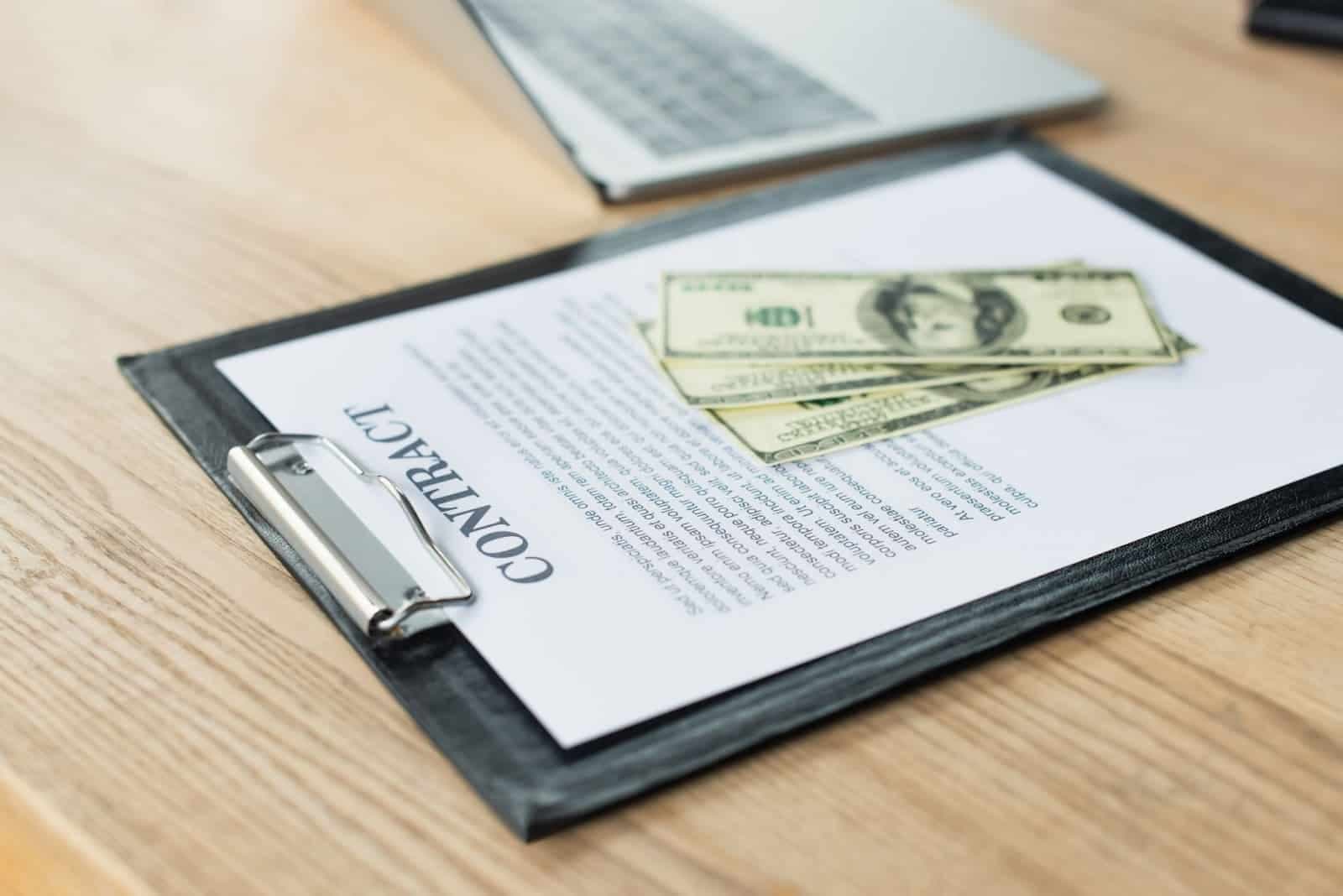
Good terms are only as strong as the contract behind them. Understanding and adhering to the legal aspects of a payment agreement ensures everything you negotiate is sound and enforceable. During negotiations, consider the legal frameworks that can affect the terms, including:
- Local and international trade laws that govern cross-border transactions.
- Contract laws that determine how the agreement is interpreted and upheld.
- Specific industry regulations relevant to your product category.
Every contract should spell out clear conditions, responsibilities, penalties for non-compliance, and dispute-resolution mechanisms. This diligence is what turns a friendly handshake into an agreement you can actually rely on if something goes wrong. Before you commit cash to any overseas supplier, it is worth reading what every importer should know about paying overseas suppliers safely.
Common Payment Term Negotiation Mistakes to Avoid
Most failed negotiations come from a handful of avoidable errors. Watch out for these:
- Failing to prepare — not researching the supplier's financial health or negotiation preferences leaves you guessing.
- Being unclear about your own needs — vague goals lead to agreements that are not sustainable long term.
- Using high-pressure tactics — aggressive demands can damage a relationship you will need for years.
- Making unrealistic demands — leaving no room for compromise often collapses the whole negotiation.
- Competing on price alone — the cheapest deal can cost more once delays and rework are factored in.
Avoiding these mistakes is closely tied to broader sourcing discipline. The same care that prevents bad terms also helps you avoid hidden costs when sourcing internationally, where surprises in freight, duties, and fees can quietly erase the value of any terms you win.
Explore More
Final Takeaway
Negotiating favorable payment terms is not about winning a single transaction — it is about aligning payment schedules with your cash flow so your business can operate and grow with less pressure. The strategies that work are consistent: prepare thoroughly, communicate clearly, use your order volume as leverage, time the conversation well, balance long-term relationships against short-term gains, and put everything in a legally sound contract. Apply them and every negotiation becomes a step toward stronger supplier relationships, not just better rates.
If you want help structuring sourcing and supplier relationships that support healthy cash flow, Importivity helps brands find vetted manufacturers and manage the terms that come with them. Negotiate not just for better rates, but for better partnerships.
Frequently Asked Questions
What are the most common mistakes when negotiating payment terms with suppliers?
One of the most common mistakes is failing to prepare adequately, which includes not researching the supplier's financial health or negotiation preferences. Another frequent error is not being clear about your own business needs and limits, leading to agreements that may not be sustainable long term.
What negotiation tactics should I avoid with suppliers?
It is advisable to avoid aggressive or high-pressure tactics that can damage long-term supplier relationships. Additionally, making unrealistic demands without any room for compromise can lead to a breakdown in negotiations.
How can I get a supplier to improve my payment conditions?
To improve payment conditions, clearly articulate your cash-flow needs and be upfront about what terms would assist your business operations. Demonstrating a reliable payment history and proposing longer-term contracts can also persuade suppliers to offer more favorable terms.
What are the best tips for negotiating payment terms with suppliers?
Effective negotiation tips include doing thorough research on the supplier's business and preparing a solid case for why specific payment terms benefit both parties. Maintaining flexibility to accommodate the supplier's concerns also keeps the conversation productive.
Can negotiating payment terms actually improve my cash flow?
Yes. Strategic supplier negotiations can lead to better management of payment processes by aligning terms more closely with your business's operational cycles and cash flow. Discussing various payment methods and schedules can open up opportunities for optimizing both parties' financial and operational planning.
Want better terms with the right suppliers?
Importivity helps brands find and vet manufacturers and structure sourcing relationships that protect your cash flow.
Explore Product Sourcing Services